


Image: jackpress / Shutterstock.com
Advertising will soon be coming to chat rooms—and many people may not even notice.
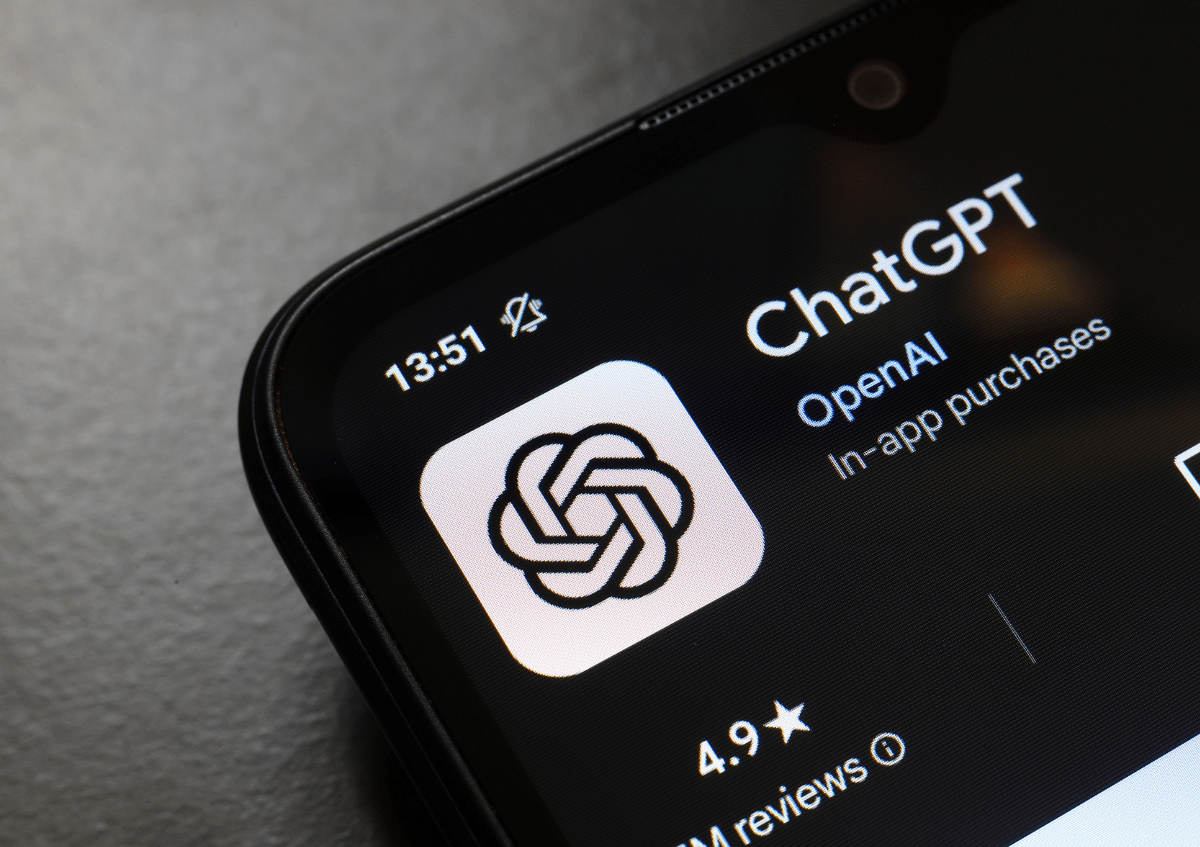
What used to feel like an online conversation with a smart friend is now becoming a sales platform. OpenAI, the company behind ChatGPT, has announced that ads will soon appear in the free version of the chatbot—right in the middle of the responses. Initially, this will only be in the US, only for adults, and only on a trial basis. But as is often the case with such "trials," they rarely remain local.
And it's also clear who will be affected—almost everyone. While more than 23 million Germans regularly use ChatGPT, only a very small number pay for it. Those without a subscription will soon receive not only information, but also advertisements. Welcome to the age of "sponsored answers."
This is what the advertisement looks like—and why it doesn't immediately catch the eye
The advertising will not look like a traditional banner ad. No "Buy now" button, no flashing discount code. Instead, brands or offers will appear directly in the text – casually, almost like a tip. For example, if you ask about good running shoes, a specific model might be mentioned. Maybe paid for. Maybe not. Maybe it's on the agenda. Maybe not.
OpenAI says that everything will be clearly labeled and that the answers will remain independent—but let's be honest: if AI is allowed to advertise, it will eventually be adapted, prioritized, and optimized. For clicks. For revenue.
Why all this? As always, it's about money.
OpenAI, together with Microsoft, is investing billions in technology and data centers. The costs are enormous, and the money has to come from somewhere. Advertising is the logical step—especially with the millions of people who use ChatGPT for free. Advertising is not only a source of income, but also a lever: those who don't want to see ad responses should sign up for a subscription. This is called "product strategy."
The cheaper "ChatGPT Go" subscription will contain advertising, only the more expensive plans – such as the €23 Plus subscription – will remain ad-free. So either pay or read advertising. It's that simple.
Comment: At some point, AI will no longer just sell sneakers.
It was only a matter of time before AI platforms switched to advertising mode. And yet it feels strange. Artificial intelligence that recommends products on demand – that's not far off from a digital salesperson. Sure, OpenAI promises a lot: no data sharing, clear labeling, no influence on content. But we've heard these promises from other platforms before – and we know how that ends.
The problem is not advertising itself. The problem is that it disguises itself. And those who don't notice this believe they have received the best answer—when in fact it may just have been the best-paid one.
Sounds exaggerated? Maybe. But anyone who still believes that free means neutral has missed out on the last 10 years of the internet.
Source: tagesschau.de