


Image: Nathan-J-Hilton / pexels.com
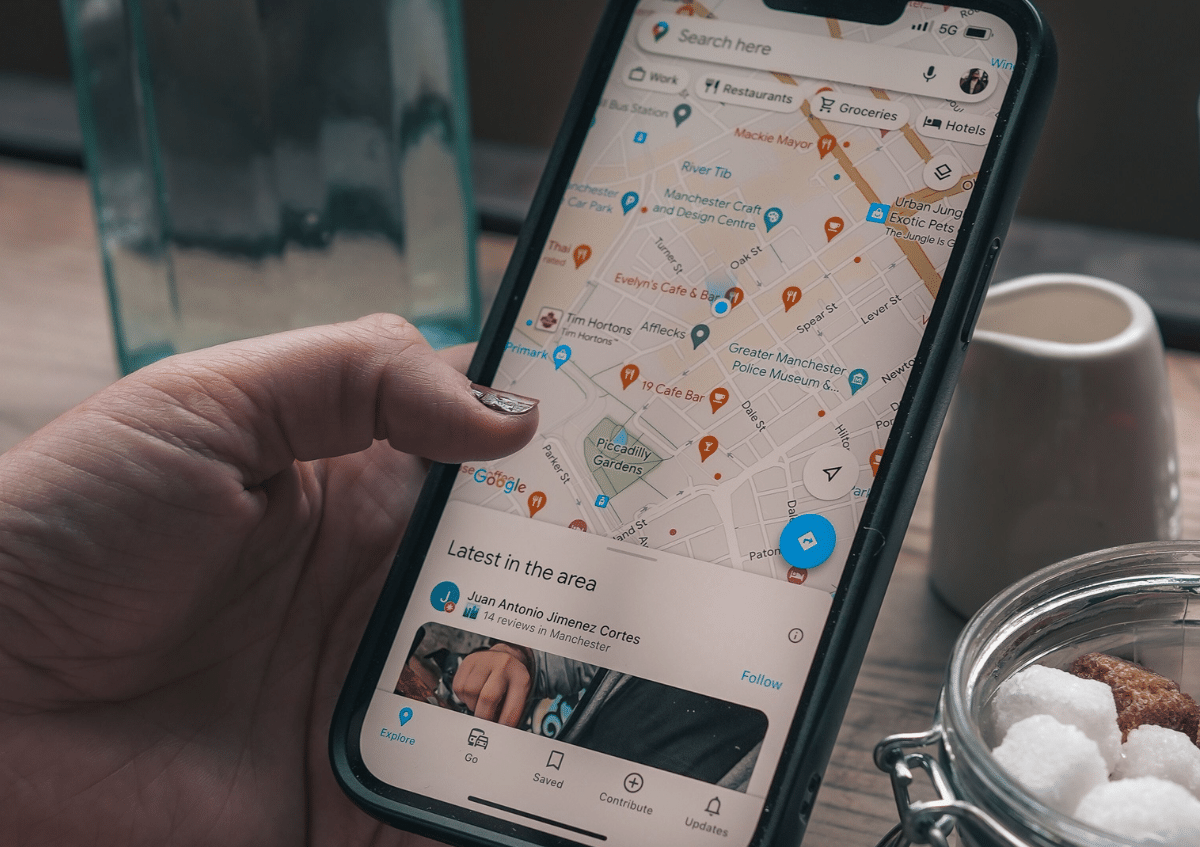
Many internet users are familiar with this: You type the name of a restaurant, a city, or a company into Google and then click directly on the map to see the location. For years, this simple process was a natural part of Google Search.
But suddenly, the interactive Google Maps map has disappeared from search results for many users in Europe. Instead, often only a simple map preview appears—or there is no direct link to Google Maps at all. What initially looks like a technical glitch has a completely different cause—and it leads straight to Brussels.
Not a mistake, but a deliberate change
Many users were initially confused. They could no longer click on the map, and the familiar “Maps” button had disappeared. Speculation quickly began to spread: Is Google having a problem? Has the feature been discontinued?
The answer is: No.
Behind this change lies a new European regulation for large internet platforms. The goal is to strengthen competition in digital markets. Large technology companies should not automatically give preference to their own services and should allow users to decide for themselves to a greater extent which map service or platform they wish to use.
Why is the EU intervening in the first place?
For many people, Google is their first stop on the Internet. Anyone looking for a restaurant, a doctor's office, or a hotel usually ends up on Google Search first. Until now, the next click often led directly to Google Maps.
This is precisely where the European Union saw a potential competition problem. If a company’s own search engine automatically favors its in-house mapping service, competing providers have significantly fewer opportunities to be noticed by users.
That is why various digital services are to be more clearly separated from one another in the future. Users should be able to decide for themselves which map service they want to use, rather than automatically remaining within the Google ecosystem.
For users, this means more clicks at first
In everyday life, the change quickly becomes noticeable.
If you're looking for an address, you often have to open Google Maps separately or re-enter the location there. In many cases, the direct access you're used to is no longer available.
Of course, this sounds like a minor change. But especially with daily searches, those extra clicks add up quickly. Many users therefore find the new solution more cumbersome than before.
On the other hand, the change also opens up new opportunities. Other map services could be used more easily in the future and receive more attention. After all, competition only arises when multiple providers have a realistic chance of being noticed.
What does that mean from a legal standpoint?
This case vividly illustrates just how much the internet has changed in the meantime. In the past, the main focus was on creating new digital services. Today, lawmakers are increasingly concerned with the question of how powerful platforms use their market position.
The point is not to punish successful companies. Rather, the aim is to prevent individual corporations from using their size to permanently favor their own products and services and marginalize competitors.
For consumers, this means more choice in the long run. For businesses, it also means new rules of the game to which they must adapt.
Are we getting used to a new Internet?
The change to Google Maps is likely just a preview of further updates.
Major internet platforms are coming under increasing scrutiny worldwide. Search engines, social networks, and online marketplaces must make their services increasingly transparent and give users more freedom to make their own decisions.
Whether this will actually lead to more competition or simply make familiar processes more complicated remains to be seen in the coming years.
One thing is already clear today, however: The Internet continues to evolve—and with it, the rules that digital platforms must follow.
If a single click is suddenly missing, the entire network changes
At first glance, the disappearance of the Google Maps map may seem like a minor change. In reality, however, it reflects a fundamental shift: Europe wants to limit the influence of large technology companies and strengthen competition.
For users, this will take some getting used to at first. In the long run, however, the new regulation could ensure that smaller providers also have better opportunities and that consumers have more choice. It remains to be seen whether this goal will be achieved.
We understand the reasoning behind the new rules. No one wants a single corporation to completely dictate our digital lives. Competition is important—there’s no question about it.
But regulation must not lead to well-functioning and popular processes becoming unnecessarily complicated. If millions of users suddenly have to click more times, even though they really just wanted to find an address quickly, it’s perfectly reasonable to ask whether the goal justifies the effort.
Fair competition is right and necessary. But laws should make people’s daily lives easier—not more complicated. Sometimes it seems as though Europe would rather regulate the market than make life easier for users. Finding the right balance remains the real challenge.