


Image: Rene Hausotte / Shutterstock.com
Wi-Fi above the clouds: This is where Starlink comes in
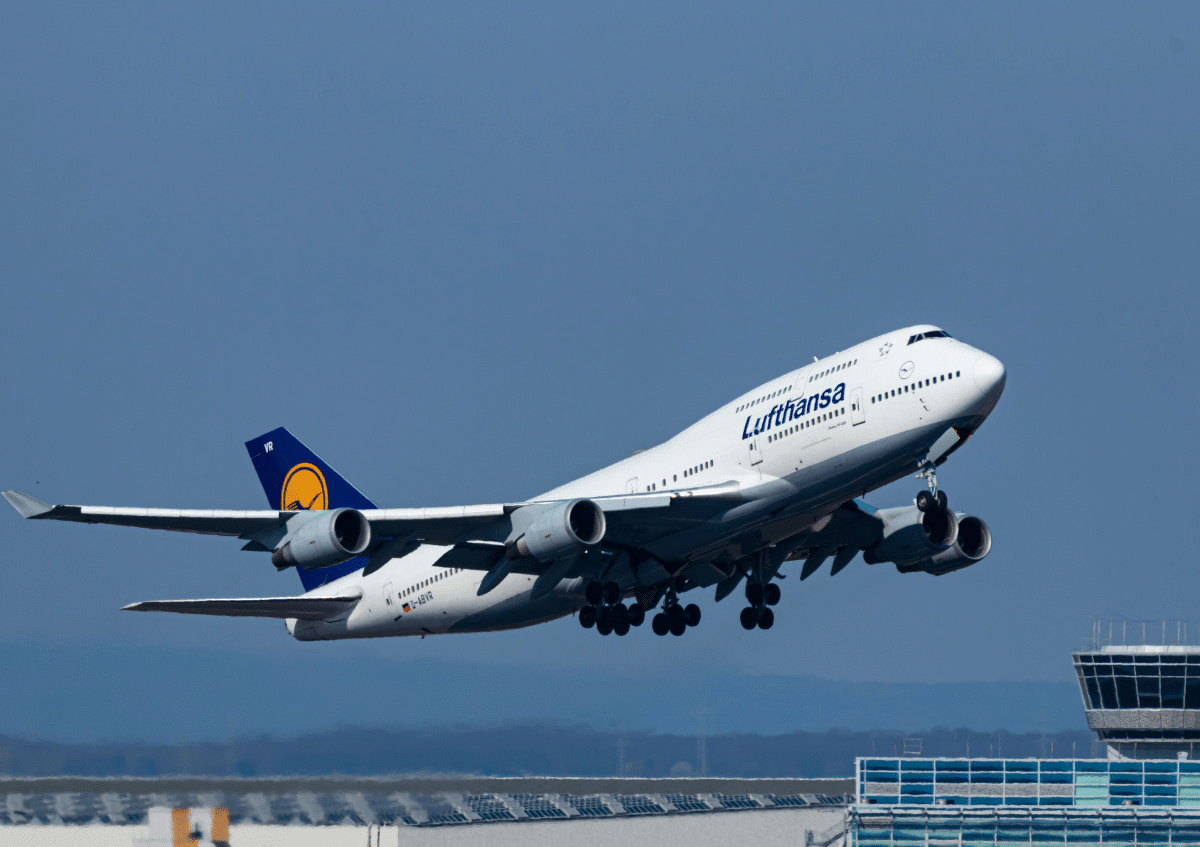
Until now, internet access on planes has often been more of a test of patience than a high-speed pleasure. But that is set to change soon—at least for passengers of the Lufthansa Group. From the end of 2026, Europe's largest airline group will be relying on the satellite network of Elon Musk's company Starlink—and thus bidding farewell to Deutsche Telekom.
A radical change of course with a signal effect: Lufthansa is breaking off its alliance with Telekom and Viasat, which was only launched two years ago. Around 850 aircraft are to be equipped with Starlink Aviation technology in the coming years. The promise: free high-speed internet for all passengers – if they create a user account.
Telekom gets kicked out – Starlink takes off
In 2024, Lufthansa still had big plans with Telekom: the so-called EAN system (European Aviation Network) was to provide aircraft across Europe with satellite and cell tower coverage. It sounds solid, but technically it is a hybrid of old network thinking and limited capacity.
Starlink, on the other hand, offers a completely satellite-based solution with global coverage. The company promises up to 350 Mbit/s per aircraft—and only 20 milliseconds of latency, meaning almost real-time connections. This makes even video calls or cloud-based work possible above the clouds. Not only does that sound impressive, it's a game changer.
This is made technically possible by flat satellite dishes mounted on the aircraft fuselage. The one-time hardware cost per jet is around $150,000—not including installation. An expensive undertaking? Certainly. But apparently one that Lufthansa is willing to afford in the long term in order to stay ahead of the competition—not just take off, but stay at the top.
Free internet – smart or bait?
The marketing move is also exciting: the new Wi-Fi service will be free for all passengers. The only condition is that you have to register. Anyone wondering why the company is voluntarily foregoing revenue should take a closer look: data is the new gold. A user account provides valuable insights into passenger behavior – from surfing habits to brand interaction. In the digital world, this is at least as valuable to an airline as a sold business class seat.
How we classify this
When a German airline prefers to fly with a US tech billionaire rather than with Telekom, it says more about the state of the domestic digital infrastructure than any Sunday sermon. Starlink shows what technology can look like when it doesn't fail due to bureaucracy, dead spots, or officialdom. It's sad that Telekom looks outdated in this regard – but it's not surprising. Those who miss the digital connection shouldn't be surprised when others take off.
Source: golem.de