



Image: Voichitapapa / shutterstock.com
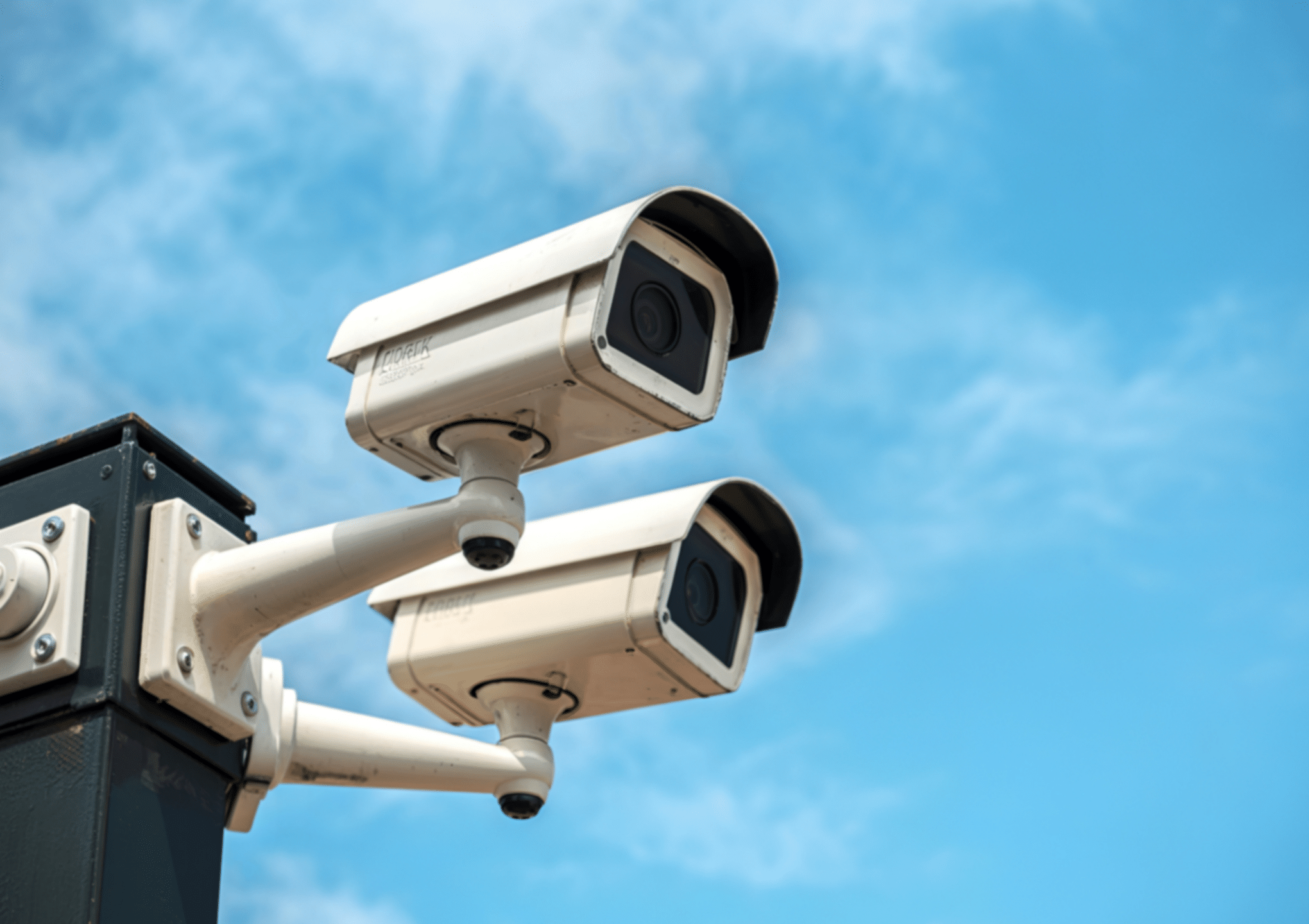
Imagine you’re walking across a busy square. A camera is recording you—that’s nothing unusual these days. What’s new, however, is that in the future, it won’t just be people looking at screens. Instead, artificial intelligence will analyze your behavior in real time and sound the alarm if it deems something “suspicious.”
It is precisely these kinds of systems that are currently the subject of intense debate. Berlin plans to deploy AI-powered video surveillance in certain locations. The technology is not designed to recognize faces, but rather to analyze movement patterns and report unusual situations. Supporters promise greater security. Critics, on the other hand, fear a serious invasion of privacy.
What exactly are behavioral scanners?
The term sounds like science fiction, but it describes a technology that has already been developed.
Unlike traditional surveillance cameras, a behavior scanner does more than just record images. The software automatically analyzes what is happening. It is designed to detect, for example, when people suddenly start running, get into a fight, are carrying a weapon, or are behaving unusually in a highly secure area. If the system detects a potential threat, it alerts security personnel, who then decide for themselves whether intervention is actually necessary.
According to the Berlin Department of the Interior, no biometric data—such as facial features—will be analyzed. Instead, the software uses abstracted movement data. Nevertheless, the key question remains: How reliably can a machine really assess human behavior?
Why is Berlin relying on this technology?
The Berlin police cite the protection of particularly sensitive areas and crime-prone locations as the main reason for the planned operation. Locations discussed included Kottbusser Tor, the Warschauer Bridge, and public facilities in particular need of protection. The area around the Rotes Rathaus is also among the pilot locations. The goal is to identify dangerous situations more quickly and deploy emergency personnel in a more targeted manner.
From the authorities' perspective, artificial intelligence could reduce the workload on police officers. Instead of constantly monitoring numerous screens, officers would be notified only when the system flags something unusual. This would save on personnel and, at the same time, shorten response times.
The big concern: Who decides what is “suspicious”?
This is exactly where the real debate begins.
An algorithm evaluates movements based on predetermined patterns. But people don’t always behave predictably. Someone who suddenly starts running isn’t necessarily a criminal—maybe they just missed their train. Someone who stands in one place for a long time might just be waiting for a friend.
Critics therefore warn of false alarms and a creeping expansion of surveillance. There is also concern that people will behave differently if they know or suspect that their behavior is constantly being analyzed by artificial intelligence. Data protection advocates and civil rights organizations are therefore calling for clear boundaries and transparent oversight of such systems.
What does this mean for citizens?
Even though the technology is initially intended for use only in select locations, it reflects a fundamental trend: Artificial intelligence is increasingly taking on tasks that were once reserved exclusively for humans.
Transparency is therefore becoming increasingly important for citizens. They should know where such systems are used, what data is processed, and what oversight mechanisms are in place. It is equally crucial that, in the end, a human being continues to make the final decision—and not an algorithm alone.
After all, modern technology can help detect crimes more quickly. However, it must not lead to every passerby coming under general suspicion or to everyday behavior being automatically assessed.
The path to a surveillance state rarely begins with a big bang
Politicians promise greater security. At first glance, that sounds reasonable. But this is precisely where all citizens should take notice. After all, surveillance rarely increases all at once—it happens step by step. First, places that are particularly at risk; then areas with high crime rates; and later, perhaps, other public spaces.
Of course, artificial intelligence can assist police officers. There’s nothing wrong with that in principle. However, problems arise when algorithms decide what behavior is considered suspicious. Who programs these rules? Who monitors the software? And who is liable if a person is targeted as a result of a flawed analysis?
Security is important. But so is freedom. Anyone who wants to preserve both must take a critical approach to new technologies—and must not be blinded by the argument that everything that is technically feasible is automatically sensible. A state governed by the rule of law demonstrates its strength not by monitoring as much as possible, but by protecting the freedom of its citizens without losing sight of security.